Preventative Maintenance Tips for Keeping Your Fleet in Top Condition
Keeping your fleet vehicle running smoothly involves addressing issues as they arise and preventing them from happening in the first place. This is where preventative maintenance comes in. Preventative maintenance is crucial for any business owner who wants to ensure their fleet vehicles remain in top condition, perform at their best, and have a prolonged lifespan. To make this process easier for you, we are here to provide some essential preventative maintenance tips to help you avoid potential problems.
1. Perform Regular Oil Changes
Oil plays a critical role in lubricating, cooling, and cleaning engine components, preventing wear and overheating. Not performing routine oil changes can lead to severe engine damage. Follow your manufacturer’s guidelines on oil change intervals, and always use the recommended oil type. This simple step is foundational in preventative maintenance and ensures your engine runs smoothly.
2. Perform Routine Tire Maintenance
Tires are your vehicle’s only contact with the road, making their condition critical for safety and performance. Regularly check your tires for wear, proper inflation, and alignment. Incorrect tire pressure can result in poor fuel economy, uneven wear, and safety issues. Rotating your tires according to the manufacturer’s schedule helps promote even wear, extending their life and improving handling.
3. Ensure Your Brakes are in Good Working Order
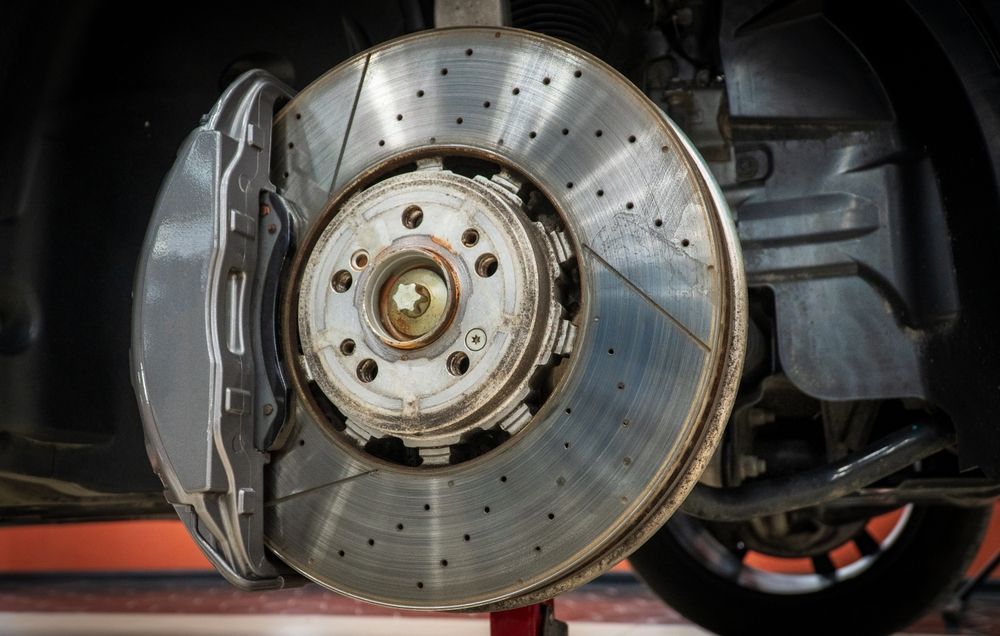
Brakes are vital for your safety on the road. Squealing sounds, longer stopping distances, or a spongy brake pedal feel are signs that your brakes need attention. Regular brake inspections help identify issues like worn brake pads or low brake fluid levels before they become dangerous and costly problems. Preventative maintenance here not only saves money but could also save lives.
4. Check Your Battery Periodically
A dead battery can leave you stranded at the most inconvenient times. Batteries typically last between 3 to 5 years, depending on use and climatic conditions. Regular checks for corrosion on terminals, ensuring they’re clean and tight, and testing the battery’s charge can prevent unexpected failures. Remember, extreme temperatures can affect your battery’s performance, so give it extra attention during very hot or cold months.
5. Ensure Your Fluid Levels Are Correct
Your vehicle relies on various fluids to operate safely and efficiently. Regularly check and top up (or replace) crucial fluids such as engine oil, coolant, brake fluid, transmission fluid, and power steering fluid. These fluids degrade over time and lose their effectiveness, so keeping them at recommended levels and conditions is key to your vehicle’s health.
6. Replace Your Air Filters
The air filter functions by preventing dirt and debris from entering your engine and protecting critical components. An air filter that is dirty can reduce fuel efficiency and horsepower, and even cause the engine to run roughly. Checking and replacing your air filter when needed is an easy, cost-effective way to maintain your engine’s performance and longevity.
7. Follow the Manufacturer’s Service Schedule
There is a manufacturer-recommended service schedule for every vehicle offered on the market. Adhering to this schedule ensures that all parts of your vehicle receive attention when needed. It covers everything from routine oil changes to more significant inspections and replacements, such as timing belts or spark plugs.
8. Schedule Professional Inspections
Even with diligent personal care, some issues require a professional’s touch. Regular check-ups at a trusted service center like Fleet Truck & RV Repair can catch problems that are not obvious to the untrained eye. Our experts can help ensure your vehicle remains in top condition, offering peace of mind and preventing minor issues from growing into major repairs.
Schedule Your Services Today
Implementing these preventative maintenance tips can significantly extend the life of your fleet vehicle, improve its performance, and enhance your safety on the road. Regular maintenance might seem like a chore, but it is undoubtedly less burdensome than dealing with unexpected breakdowns and costly repairs. Remember, a well-maintained fleet vehicle is more reliable, safer to drive, and has a higher resale value.
At
Fleet Truck & RV Repair, we are committed to helping you keep your vehicle in peak condition. Whether you need professional advice, regular maintenance, or repair services, our team of experienced technicians is here to assist you every step of the way. Contact us today by calling our Great Falls, MT, location at (406) 727-0207
to learn how we can support your vehicle’s health through effective preventative maintenance strategies.