How Regular Driving Can Prolong Your Car’s Health
Have you ever considered how regular driving might actually be beneficial for your car’s health? It’s true; letting your car sit unused can lead to numerous maintenance issues, from the battery losing charge to the engine fluids gradually deteriorating.
Regular use helps maintain the engine’s best temperature and keeps all moving parts properly lubricated. However, there’s a balance to strike; excessive driving can also take its toll.
So, what’s the ideal frequency, and how can you make sure you’re not inadvertently causing harm while trying to do good? Let’s explore how to find that sweet spot where your car’s longevity is maximized.
Understanding Regular Driving Benefits
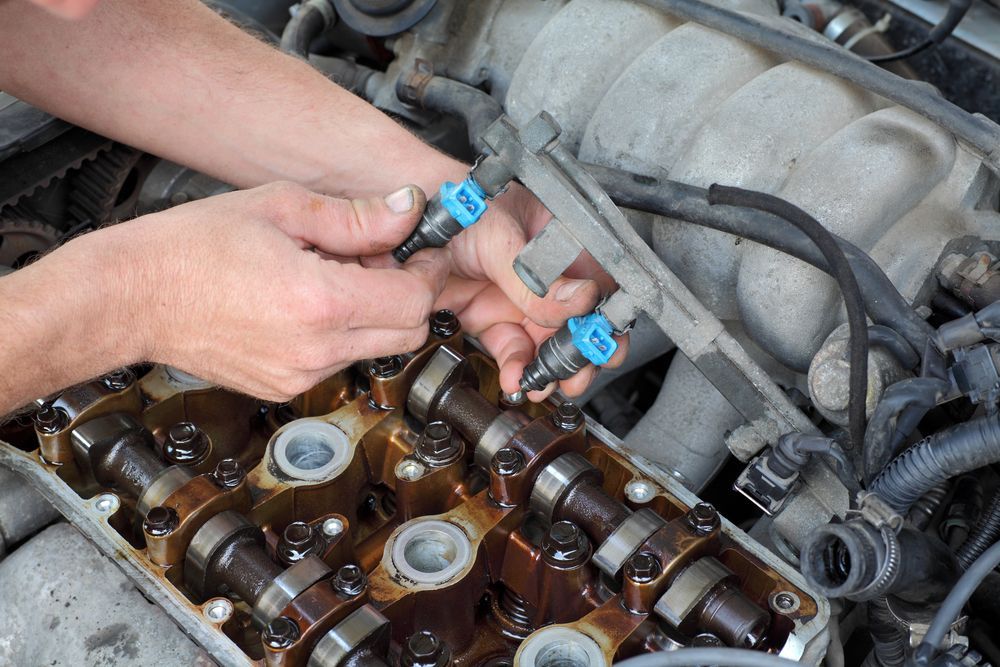
Regular driving not only keeps your engine lubricated but also promotes better circulation, essential for preventing problems associated with vehicle inactivity.
This fundamental practice guarantees that your engine’s moving parts remain in prime condition, avoiding the pitfalls of deterioration that can occur when a vehicle remains stationary for extended periods. Consistent driving habits help maintain engine functionality and contribute greatly to overall engine efficiency.
By engaging in regular driving, you’re actively involved in a routine that supports top performance. This isn’t just about keeping the engine running smoothly; it’s about ensuring that every component functions as intended, thereby extending the life of your vehicle.
Regular driving aids in maintaining the vehicle’s health by ensuring that fluids circulate properly and that parts don’t seize up or corrode due to inactivity.
Avoiding Harmful Driving Practices
To safeguard your car’s engine, it’s crucial to avoid driving practices that can cause significant wear and tear. Engaging in consistent driving habits not only enhances engine lubrication but markedly supports engine circulation. This approach is critical in preventing the myriad engine problems that stem from irregular use.
By maintaining a consistent driving schedule, you’re actively contributing to the longevity of your car. Regular driving ensures that the engine’s moving parts are adequately lubricated, thereby reducing the risk of long-term damage and ensuring that the health of your car’s engine isn’t compromised.
It’s important to understand that when your vehicle remains inactive, the lubrication tends to settle, which can lead to uneven distribution of engine oil upon starting. This scenario can precipitate unnecessary strain and accelerate wear.
Regular driving helps to prevent reduced efficiency that results from sporadic use. The continuous operation maintains ideal engine temperature and oil flow, which are indispensable for the effective functioning of your car’s engine.
Importance of Smooth Operations
Smooth operations, such as gentle acceleration and braking, not only enhance your driving experience but also greatly reduce engine stress, thereby promoting your vehicle’s longevity. When you opt for smooth shifts, you’re actively contributing to a reduction in premature wear and tear on your car’s essential components.
This thoughtful approach to driving guarantees that your engine maintains peak performance, an indispensable factor for anyone who values the resilience and dependability of their vehicle.
Consistent driving habits, characterized by avoiding abrupt starts and stops, play a pivotal role in extending your car’s lifespan. The smoother your driving style, the less strain you place on the engine, resulting in fewer mechanical issues over time.
Maintaining Optimal Vehicle Load
When managing your vehicle’s load, it’s important to adhere to the manufacturer’s specified weight limits to avoid undue stress on mechanical components.
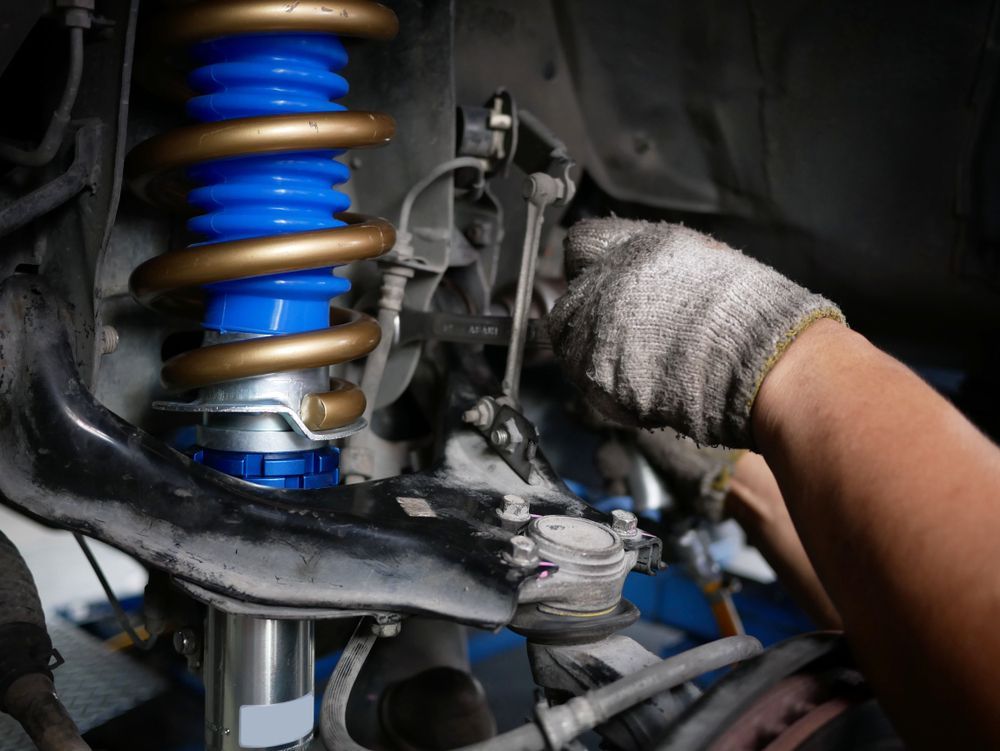
Even distribution of weight throughout your vehicle can greatly enhance handling and reduce wear on suspension and braking systems.
Overloading not only compromises your car’s performance but also heightens the risk of mechanical failures and decreases fuel efficiency.
Ideal Weight Limits
Maintaining peak vehicle load within ideal weight limits enhances engine performance and reduces wear. You’re part of a community that values longevity and efficiency in car care, and understanding how to manage your vehicle’s weight is essential.
Avoid overloading; adhering to recommended weight limits not only prevents stress on the engine but also safeguards the engine and transmission from accelerated degradation. Overloading can seriously diminish fuel efficiency, increase the likelihood of premature engine retirement, and elevate safety hazards.
Excessive weight forces your vehicle to work harder, which means more strain on mechanical components like brakes and suspension systems. This not only leads to potential safety risks but also spikes your maintenance costs.
It’s tempting to push the limits when you’re in a rush or trying to save time by moving heavy loads in fewer trips. However, excessive speeding with a heavily loaded vehicle intensifies the risks and potential damage.
Load Distribution Tips
To maximize your car’s performance and safety, it’s important to distribute its load evenly across all areas. Understanding the principles of load distribution is key for maintaining the ideal balance of your vehicle.
When you evenly distribute weight, you prevent excessive strain on any single part of the suspension, transmission, or brakes, which are crucial for your car’s overall functionality.
When loading your vehicle, be mindful of its payload capacity. Exceeding this limit can greatly impact vehicle balance and handling, increasing the risk of accidents.
Aim to evenly space heavier items throughout the vehicle rather than concentrating them in one area. This maintains an even weight distribution, important for the vehicle’s stability.
Lightening the load when possible can greatly reduce stress on the engine, enhancing fuel efficiency and reducing the likelihood of mechanical issues.
Implement these strategies to not only foster a stronger connection with your vehicle but also to partake in a driving experience that prioritizes balance and longevity.
Impact of Overloading
Overloading your car accelerates engine wear and reduces fuel efficiency, necessitating a mindful approach to managing vehicle load. When you exceed your vehicle’s recommended weight limit, you’re not just risking costly repairs; you’re also shortening its lifespan.
Lightening the load is essential. By removing unnecessary heavy cargo loads from your vehicle, you effectively decrease the strain on the engine, transmission, brakes, and suspension. This consideration isn’t merely about enhancing performance in the short term but also about securing the longevity and reliability of your car.
Each component of your vehicle is designed to handle specific stress levels. Excessive weight surpasses these limits, leading to accelerated engine wear and tear, and inevitably, decreased longevity.
Reduced fuel efficiency is a direct consequence of overloading. The harder your engine works to move excessive weight, the more fuel it consumes. This not only hits your wallet due to increased fuel costs but also contributes to higher emissions, counteracting eco-friendly initiatives.
Regular Vehicle Maintenance Tips
To guarantee your vehicle operates efficiently, you must regularly check and maintain fluid levels, including oil, coolant, and brake fluid.
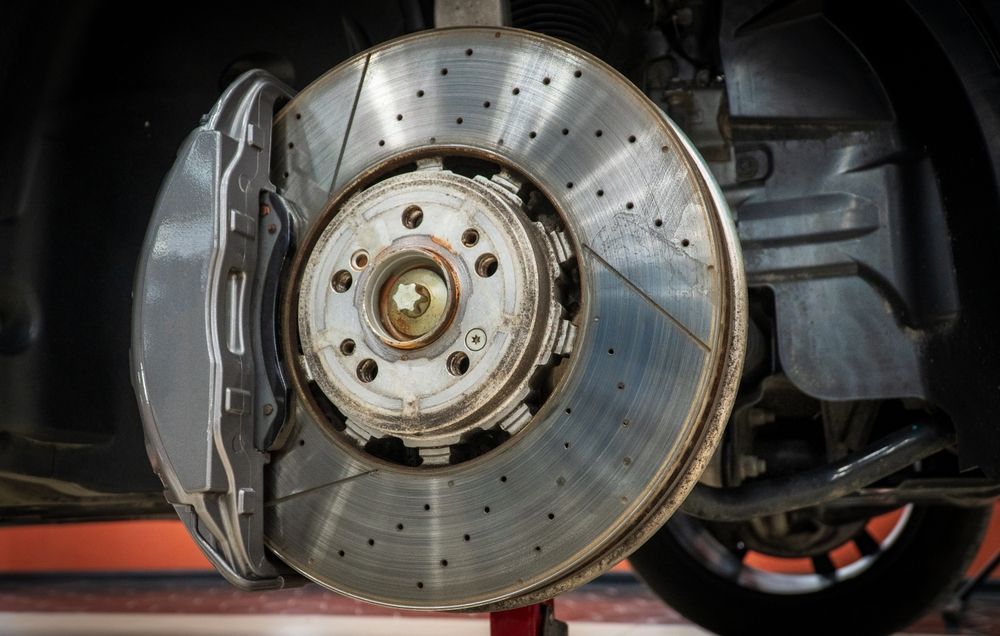
Monitoring tire pressure is also crucial; incorrect pressures can lead to increased tire wear and reduced fuel economy.
These practices not only enhance your car’s performance but also greatly extend its lifespan.
Essential Fluid Checks
Regularly checking your car’s essential fluids—such as engine oil, coolant, and brake fluid; is important for maintaining peak performance and preventing costly repairs. You’re not just maintaining a vehicle; you’re ensuring a part of your daily life remains reliable and efficient.
Here are key fluids to check to preserve your car’s health:
- Engine Oil: Essential for lubricating engine components. Low levels or dirty oil can cause engine wear and overheating. Regular checks help you identify the right time for an oil change, safeguarding your engine’s performance.
- Coolant: Prevents your engine from overheating. Maintaining the correct coolant level and its condition is crucial, especially before long drives or in extreme weather.
- Brake Fluid: Important for proper brake function. Over time, brake fluid can deteriorate and absorb moisture, leading to decreased braking efficiency and potential safety hazards.
- Power Steering Fluid: Ensures smooth steering. Low levels can result in hard steering and can stress the power steering pump, which might lead to expensive repairs.
Tire Pressure Importance
Maintaining proper tire pressure enhances your car’s fuel efficiency and extends tire life. When you confirm your tires are inflated to the manufacturer’s recommended levels, you’re not just saving on gas mileage; you’re also promoting even tire wear, which can greatly prolong the lifespan of your tires.
Incorrect tire pressure, whether too low or too high, compromises your vehicle’s traction. This reduction in traction can elevate your risk of accidents, especially in adverse weather conditions.
An underinflated tire increases the contact area between the tire and the road, leading to overheating and potential blowouts. Each 1 psi drop in tire pressure could reduce gas mileage by up to 0.2%, a subtle but cumulative loss that affects both your wallet and your vehicle’s performance.
Overinflation, conversely, decreases the effective contact area, which can adversely affect your braking distance and overall vehicle stability. This imbalance not only makes handling more challenging but also increases the wear on the center portion of the tire tread, further escalating the risk of tire failure.
Regularly checking your tire pressure is a simple yet effective way to guarantee optimal performance and safety. By integrating this practice into your routine, you contribute to a safer driving environment and maximize your vehicle’s operational efficiency.
Addressing Minor Issues Promptly
Addressing minor car issues promptly can prevent them from escalating into major, costly repairs. As part of your car care community, it’s important to understand how regular maintenance and quick fixes not only save you money but also bolster the overall health and performance of your vehicle.
Ignoring these minor issues can lead to more significant damage, creating potentially unsafe driving conditions.
Here are key steps to tackle minor issues:
- Regular Inspections: Schedule regular checks to identify and address issues like fluid levels, tire wear, and brake pad thickness.
- Immediate Response: When you notice something off, such as strange noises or a change in handling, don’t delay. Quick action can prevent major problems.
- Use Quality Parts: Opt for high-quality replacement parts that might cost more upfront but save you from frequent replacements and breakdowns.
- Keep Records: Maintain a detailed log of all repairs and services. This helps in diagnosing issues early and ensures timely repairs.
Conclusion
Essentially, regular driving is akin to providing your car with a fountain of youth. By eschewing harmful driving habits and adhering to smooth operations, you not only minimize engine wear but practically turn back the clock on aging components.
Remember, every mile you drive with care is an investment in your vehicle’s longevity. Treat minor issues like urgent alerts, and regular maintenance as your car’s personal healthcare plan. Drive wisely, and your car could outlive the pyramids!
Contact our Great Falls, MT shop today at (406) 727-0207
to schedule an appointment for any of your auto repair needs.